The Power of the Pause
Written by Lisa Kuntz, District Manager
Let us explore how dormancy in nature mirrors a biological need for rest in humans.
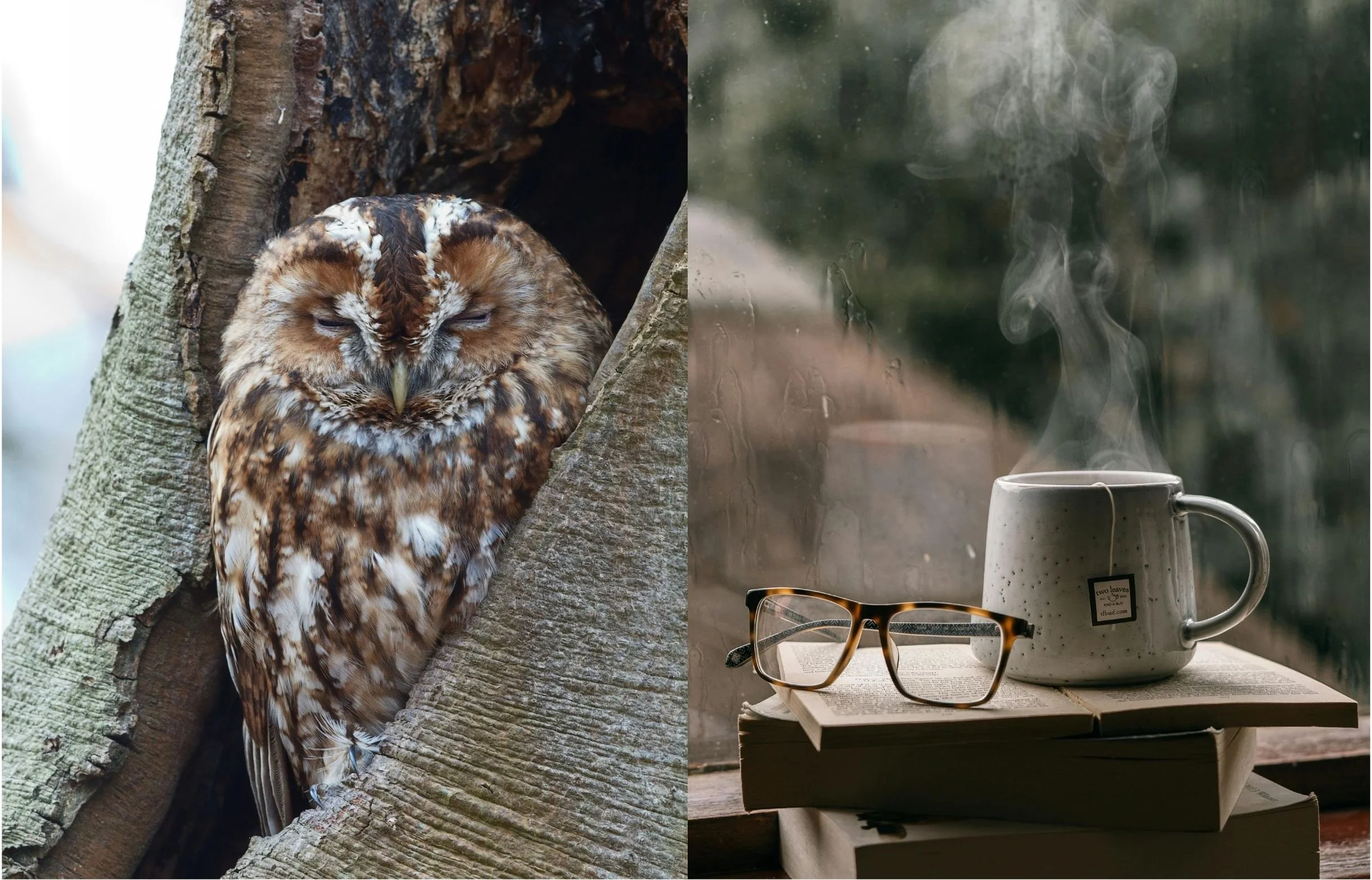
In the depths of winter, nature is not "dead" but deeply busy with the invisible work of restoration, resilience, and rejuvenation.
In nature, the tree begins their winter restoration by going into dormancy, the tree begins to experience biological antifreeze. This phase is when trees move water out of their cells into the spaces between them to prevent frozen cells from bursting. They simultaneously begin energy budgeting. Deciduous trees drop leaves to stop photosynthesis, as the energy required to maintain them in low light outweighs the caloric gain. Most trees continue to exhibit invisible growth while the canopy is still, roots often continue to grow and develop in the warmer soil below ground.
During winter months, perennial plants are resilient. Perennials perform energy storage by storing carbohydrates in their root systems to survive the "drought" of frozen ground. It is essential that we use mulch as insulation. Mulching requires us to leave the dead growth on perennials until spring. The mulch provides essential insulation and shelter for overwintering pollinators. For protection tips the District recommends you use the USDA Plant Hardiness Zone Map to ensure that the winter protection strategies you utilize match our local climate. You can find the USDA map link here.
For humans, biological rejuvenation can be as simple as wintering in wellness, which involves aligning human behavior with the biological rest cycles seen in the animal kingdom. By embracing this "pause," we honor an evolutionary need for restoration that modern life often ignores.
While humans do not enter hibernation, we do have biological responses to winter:
Metabolic Shift: Like bears, who slow their heart and metabolic rates to survive the cold, humans naturally experience a "biological urge to hibernate" marked by lower energy and an instinct to retreat.
Circadian Rhythms: Just as trees and animals use their internal clocks to time dormancy, our own circadian rhythms are sensitive to seasonal light changes. When daylight fades, our bodies produce more melatonin (which causes sleepiness) and less serotonin (the "feel-good" hormone).
Energy Conservation: In nature, winter is not about idleness but "intentional rest". For humans, this manifests as a need for "soft fascination" activities—reading, reflection, and restorative sleep—that recharge mental faculties for the active spring ahead. Hint: A wonderful time for browsing those seed catalogs and planning your next garden. Please visit our offices to peruse the many resources that Berrien County Conservation District has to offer.
Attempting to maintain a "summer" pace of productivity year-round can lead to significant health consequences:
Burnout: Fighting the natural urge to slow down can result in energy depletion, emotional exhaustion, and a sense of "negativity or cynicism".
Seasonal Affective Disorder (SAD): Ignoring the body's need for natural light and rest can exacerbate SAD, a clinical condition affecting 5% of adults. Symptoms include persistent sadness, oversleeping, and intense cravings for carbohydrates— a "hibernating" feeling that signifies a deep misalignment with seasonal cues.
Systemic Stress: Chronic overexertion in winter weakens the immune system and increases cortisol ("stress hormone") levels, making the body more vulnerable to seasonal illnesses.
Rather than fighting the season, adopt the resilience strategies of the wild:
Practice "Tribe-enate": Like huddling voles, prioritize quality time with a small circle of people to combat isolation.
Nourish from Within: Eat seasonal, anti-inflammatory foods like citrus, onions, and apples, which provide the same cellular protection (flavonoids) that some long-lived animals use to survive harsh environments.
Cold Exposure Benefits: Moderate exposure to cold can boost mental clarity, reduce inflammation, and help regulate circadian rhythms for better sleep.
Vitamin D & Light: "Nature bathing” or short, 15-minute walks to soak up natural light, which regulates "feel-good" neurotransmitters like serotonin and dopamine. If you are interested in much longer hikes in Berrien County this winter. Please click on this link to a tree id hike hosted by Chikaming Open Lands in their Nature Preserves.
We put together a January Conservation "To-Do" List to assist you in your Winter Wellness
Winter Invasive Species Scouting: January is the best time to spot and pull evergreen invasives like English ivy or Japanese honeysuckle, which stand out against dormant native plants.
Snow Hydration: Provide shallow, non-metallic water bowls for wildlife; birds and small mammals struggle to find liquid water when everything is frozen.
Salt Management: Use salt sparingly on walkways. Excess salt dehydrates plant roots and contaminates local waterways once the snow melts.
Nature Journaling: We encourage you to start a nature journal to document "winter signs," such as animal tracks in the snow or tree bark patterns. See last month’s newsletter in The Subnivean Zone. Which you can find here.
Knowledge Gathering: research native species that will best support pollinators in your specific garden next spring. Order those seed catalogs, plan a veggie garden. Attend a class and learn something new at one of the many places hosting events like your local conservation district, library, county extension, community center, or local college. Check out Berriencd.org under events for our monthly workshops. Participate in the following data gathering events.
Christmas Bird Count (Ending Jan 5): Participate in the final days of the Audubon Christmas Bird Count, the longest-running census of bird populations.
Big Garden Birdwatch (Late January): Spend one hour between January 26–28, 2026, counting birds in your yard or local park for the RSPB survey.
Project FeederWatch: Share your backyard bird sightings with the Cornell Lab of Ornithology to help track long-term trends in winter bird movements.
We hope this information is beneficial and wish you all well this winter while you take a moment to pause. May you feel restored, resilient, and rejuvenated in the new year!