Written by Lisa Kuntz, District Manager
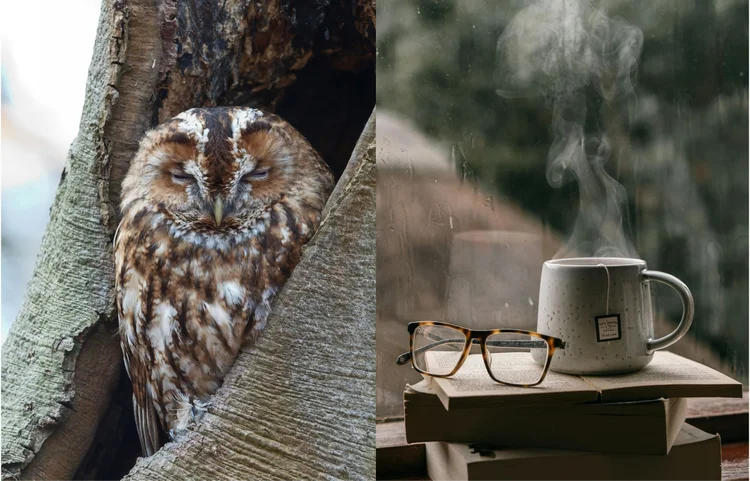
Let us explore how dormancy in nature mirrors a biological need for rest in humans.
In the depths of winter, nature is not "dead" but deeply busy with the invisible work of restoration, resilience, and rejuvenation.
In nature, the tree begins their winter restoration by going into dormancy, the tree begins to experience biological antifreeze. This phase is when trees move water out of their cells into the spaces between them to prevent frozen cells from bursting. They simultaneously begin energy budgeting. Deciduous trees drop leaves to stop photosynthesis, as the energy required to maintain them in low light outweighs the caloric gain. Most trees continue to exhibit invisible growth while the canopy is still, roots often continue to grow and develop in the warmer soil below ground.
During winter months, perennial plants are resilient. Perennials perform energy storage by storing carbohydrates in their root systems to survive the "drought" of frozen ground. It is essential that we use mulch as insulation. Mulching requires us to leave the dead growth on perennials until spring. The mulch provides essential insulation and shelter for overwintering pollinators. For protection tips the District recommends you use the USDA Plant Hardiness Zone Map to ensure that the winter protection strategies you utilize match our local climate. You can find the USDA map link here.
For humans, biological rejuvenation can be as simple as wintering in wellness, which involves aligning human behavior with the biological rest cycles seen in the animal kingdom. By embracing this "pause," we honor an evolutionary need for restoration that modern life often ignores.
While humans do not enter hibernation, we do have biological responses to winter